
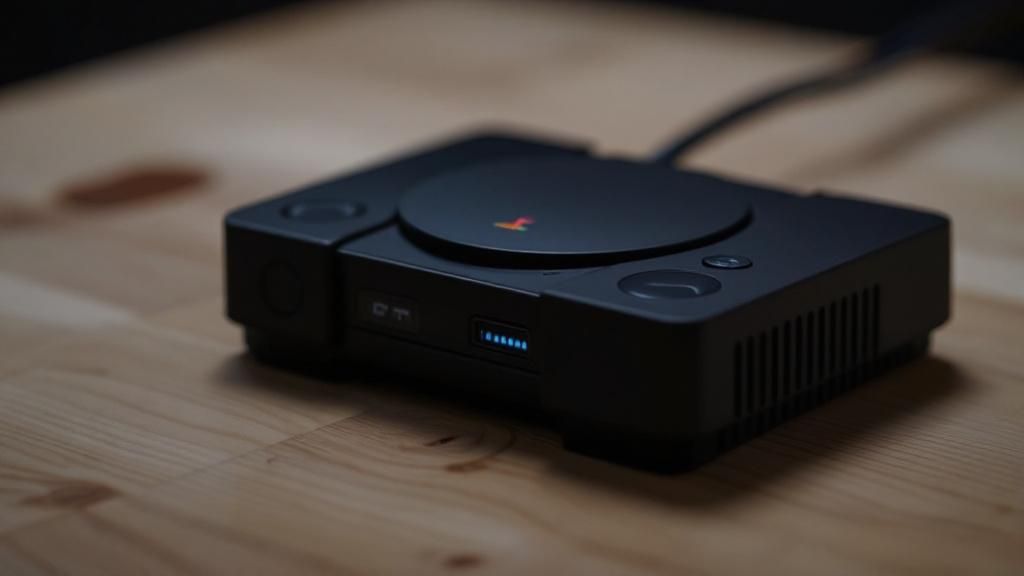
Sony has revealed a substantial broadening to its backwards compatibility initiative, bringing a updated collection of iconic vintage PlayStation titles to current-generation hardware. This strategic move enables gamers to experience again nostalgic favourites from previous eras without requiring legacy equipment. The enhanced offering promises enhanced performance and enhanced visual quality on current hardware, bridging the gap between classic play and modern innovation. Find out which iconic games are being added and how this development is reshaping the PlayStation’s gaming landscape.
Growing the Classic Game Collection
Sony’s backwards compatibility programme represents a pioneering method to preserving gaming heritage whilst integrating modern technology. By extending the catalogue of classic PlayStation titles playable on contemporary consoles, the company showcases its commitment to recognising its storied gaming history. This programme ensures that generations of remarkable gaming adventures remain accessible to seasoned fans and newcomers alike exploring these enduring favourites for the first time. The broadened catalogue includes a wide variety of genres and eras, reflecting the scope of PlayStation’s pivotal role in interactive entertainment.
The programme’s growth tackles a critical gap in current gaming by converting difficult-to-obtain titles readily available on current-generation hardware. Players no longer need to preserve legacy hardware or seek out pricey pre-owned copies to play these beloved games. This democratisation of legacy gaming content bolsters the PlayStation network and encourages user participation across generational divides. The programme also showcases Sony’s attentiveness to player demand for comprehensive backwards compatibility options that respect the financial commitment gamers have made in their game collections throughout the years.
Advanced Emulation Technology
The core infrastructure of this legacy support programme relies on sophisticated emulation technology that accurately replicates the classic gaming experience whilst optimising performance for contemporary systems. Sophisticated emulation systems analyse classic game code and translate it seamlessly for modern processors, ensuring interoperability without sacrificing authenticity. These technical enhancements extend beyond basic functionality; they enable enhanced frame rates, improved resolution scaling, and faster loading times that significantly elevate the gaming experience. The engineering teams have devoted substantial resources in achieving this equilibrium of preservation and enhancement.
Modern emulation technology integrates machine learning algorithms and predictive processing techniques that forecast gameplay requirements and assign resources efficiently. This intelligent approach minimises lag, eliminates stuttering, and provides smoother performance than original hardware could provide. Additionally, the emulation framework contains adaptive quality settings that enable players to customise their experience based on personal preferences and available system resources. These development breakthroughs represent years of dedicated development, ensuring that classic games perform perfectly on PlayStation 5 and other contemporary platforms.
Player Access and Convenience
Cross-generation compatibility substantially boosts gamer accessibility by consolidating gaming libraries between console generations within a integrated environment. Gamers can move effortlessly between modern releases and older classics without juggling various consoles or buying games twice of games they already own. The single dashboard simplifies navigation and discovery, allowing players to explore their entire collection with ease. This efficient system honours player investment and financial investments, eliminating frustrating barriers that once blocked playing favourite older games and encouraging exploration of gaming history.
The expanded programme also addresses practical accessibility concerns by delivering modern quality-of-life features combined with classic gameplay. Players enjoy enhanced controller compatibility, customisable difficulty settings, and enhanced graphics settings that support contemporary gaming standards. Cloud save functionality allows uninterrupted progress across various devices, whilst trophy and achievement systems drive participation with classic titles. These conveniences convert backwards compatibility from a nostalgic curiosity into a genuinely practical feature that improves the overall PlayStation experience for millions of players worldwide.
Advantages for Gamers plus the Industry
Superior Gaming Experience for Participants
The enhanced backwards compatibility programme provides significant benefits to the player base. Players can now experience beloved titles with enhanced frame rates, enhanced resolution, and faster loading times on latest PlayStation hardware. This access negates the requirement for preserving legacy equipment, whilst preserving gaming history for coming generations. Gamers profit from smooth compatibility with current features, including trophy support and cross-platform functionality, enriching their entertainment value considerably.
Economic and Strategic Advantages
From an market perspective, this initiative strengthens Sony’s competitive standing within the gaming market. By expanding the retro gaming library, PlayStation attracts both experienced players seeking retro gameplay and new players exploring classic titles. This method maximises the potential of existing intellectual property, creating revived enthusiasm in established franchises without substantial development costs. Additionally, the scheme fosters player retention and prolongs the commercial lifecycle of older games, building continuous earnings through online platforms.
Preserving The Gaming Legacy
The backwards compatibility expansion performs a essential cultural function by protecting important gaming heritage. Classic PlayStation titles represent key milestones in interactive entertainment history, and guaranteeing their availability stops valuable works from becoming inaccessible. This focus on maintaining reflects the gaming industry’s maturation, acknowledging that older games warrant appreciation and ongoing access. By maintaining these digital artefacts, Sony contributes meaningfully to gaming’s cultural legacy whilst demonstrating corporate responsibility towards protecting entertainment history.
